Antimon
CRITICALLY IMPORTANT MINERAL
IN THE MILITARY FIELD
Antimony (Sb), a metalloid with atomic number 51, has been known since ancient times for its various applications. Although traditionally used in cosmetics, medicine, and metallurgy, its role in modern industry and military applications has increased significantly. Due to its strategic importance, antimony is today considered a critical mineral by many countries.
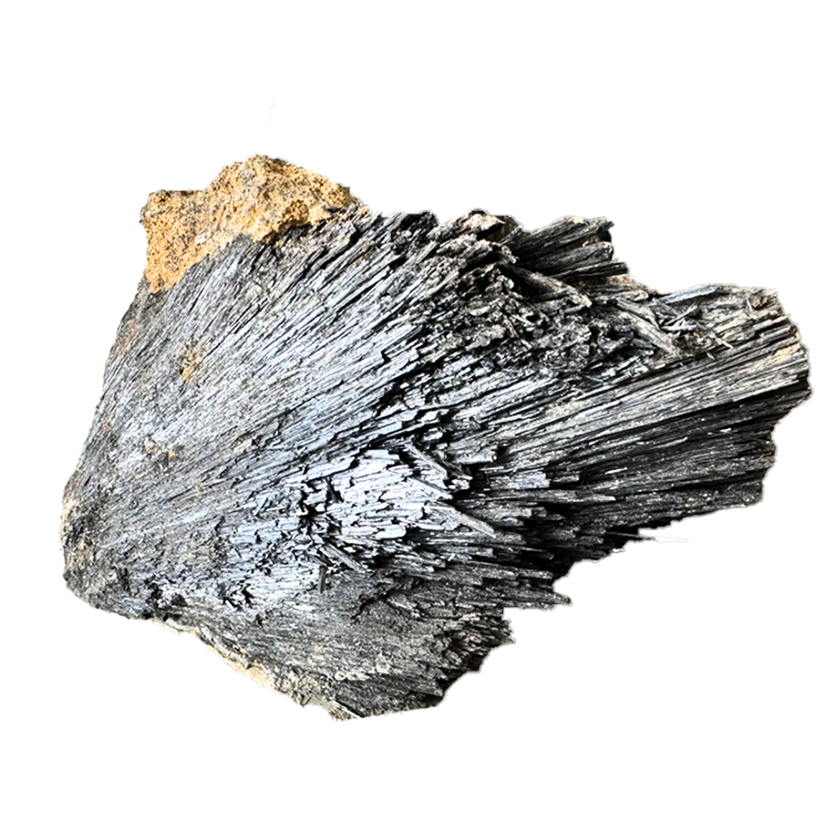
Antimony and Its Uses
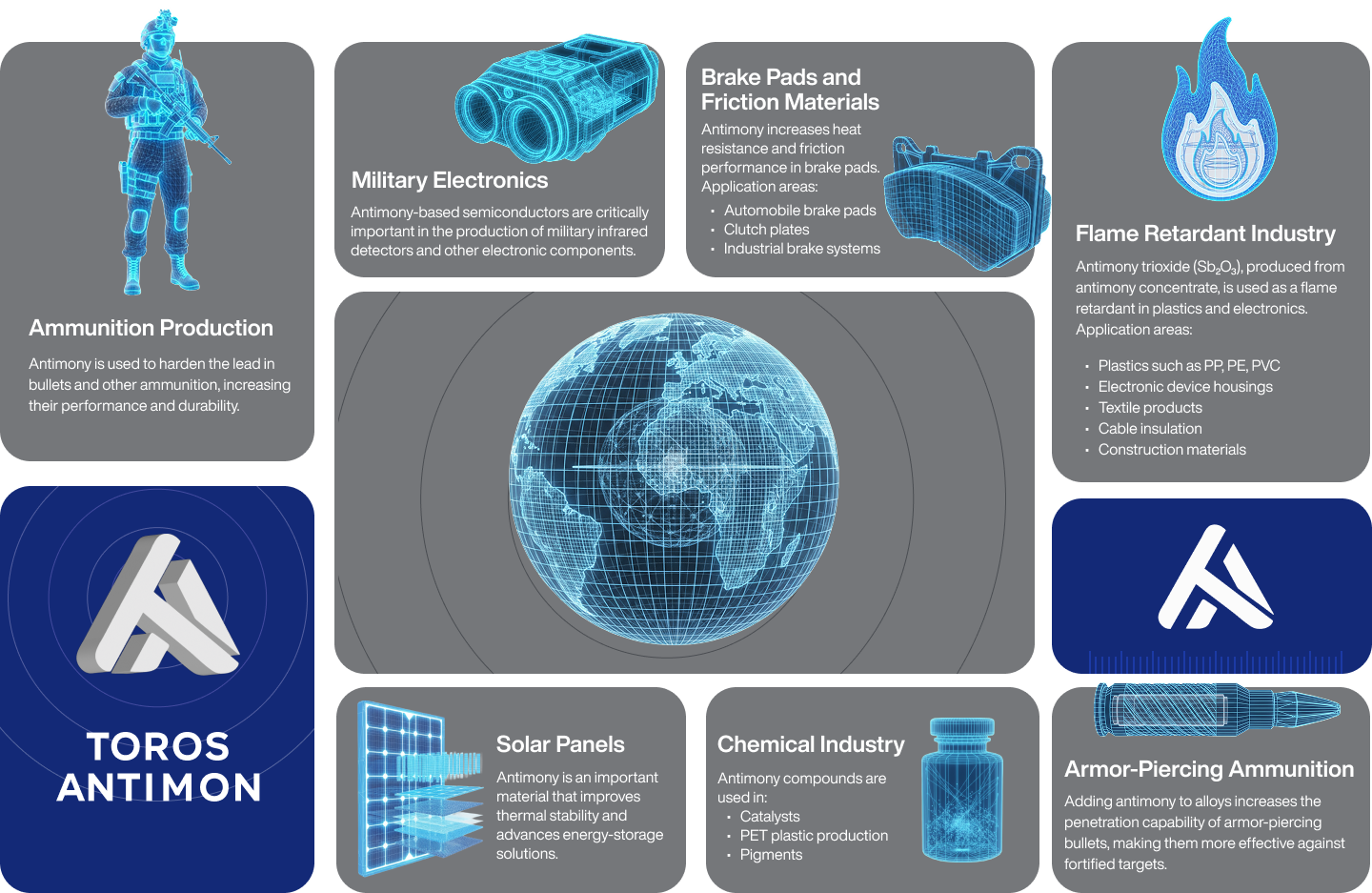
THE HIDDEN HERO OF SAFETY
Antimony, especially in the form of antimony trioxide, is used as a flame retardant in cables, electronic device casings, textiles, and insulation materials.
Thanks to this:
• Homes, cars, airplanes
• Electronic devices
Become safer against fire.


A CRITICAL ROLE IN ENERGY STORAGE
Antimony increases durability in lead-acid batteries.
These batteries are used in:
• Automobiles • Solar energy storage
• Industrial energy solutions
Antimony is indispensable for ensuring continuity in the energy cycle.
CONTRIBUTION TO TRANSPORTATION SAFETY
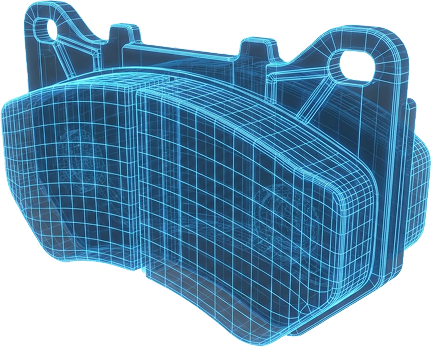
Antimony acts as a critical reinforcement in brake pads, clutch systems, and friction materials.
It maintains surface stability under extreme heat, improving braking distance, response time, and overall system durability.
From daily urban traffic to heavy-duty commercial vehicles, the engineering reliability behind controlled and safe braking is made possible by antimony.

HISTORICAL IMPORTANCE OF ANTIMONY
The use of antimony in military applications has a long history dating back to ancient times:
Ancient Weapons: Historical records show that antimony was used in weapon and tool alloys as early as the Bronze Age.
Medieval Warfare: In the Middle Ages, antimony was used in the production of type metal for printing presses and in certain medical preparations intended for soldiers.
World War I: Antimony played a vital role in strengthening ammunition, improving military equipment, and supporting communication technology, underscoring its importance as a key material in the global conflict.
World War II: The role of antimony expanded significantly during World War II, particularly in the production of lead-based alloys for bullets and other munitions.